Two plates can both be called pasta and taste completely different. So what makes pasta authentically Italian? It comes down to the pasta itself, the sauce, and what happens in the last minute before it reaches the table.
Fresh vs Dried Pasta
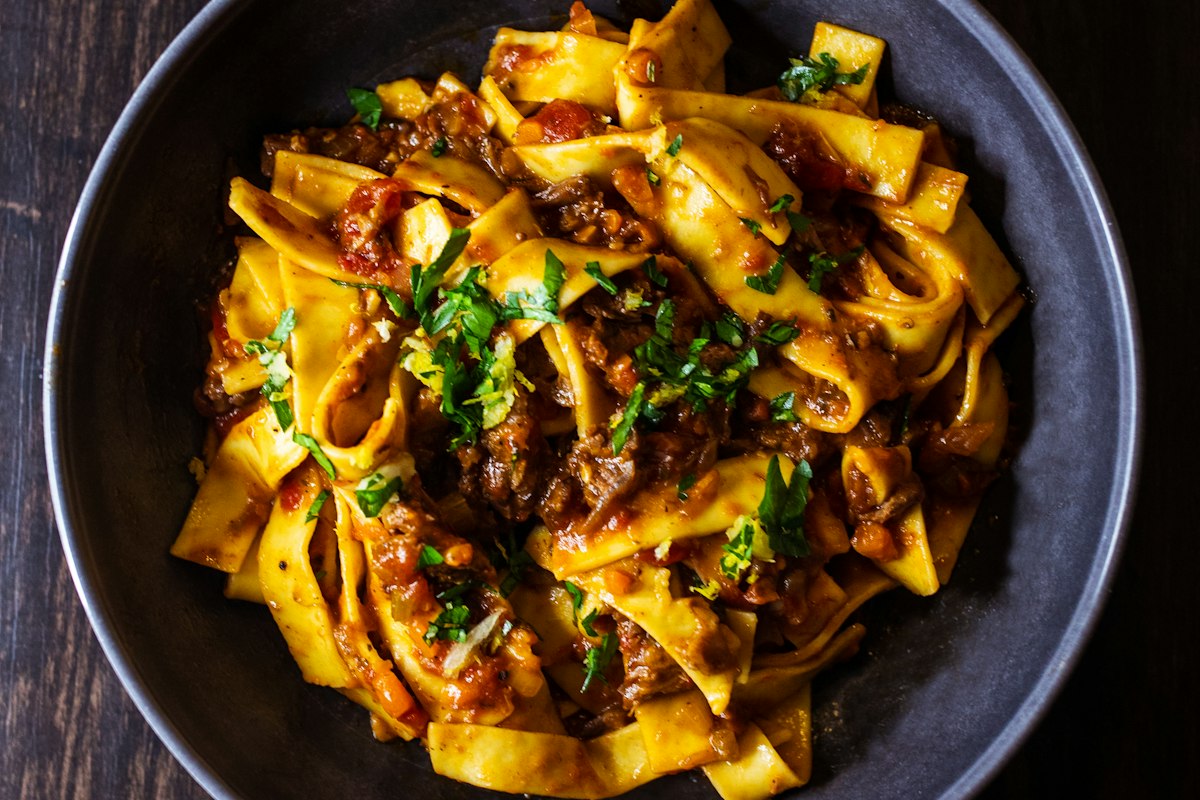
Both are Italian. Fresh egg pasta (tagliatelle, pappardelle, ravioli) comes from northern Italy and is soft and tender. Dried durum wheat pasta (spaghetti, penne, rigatoni) comes from the south and has a firmer bite. Neither is better — each suits different sauces.
The Sauce Is a Seasoning, Not a Soup
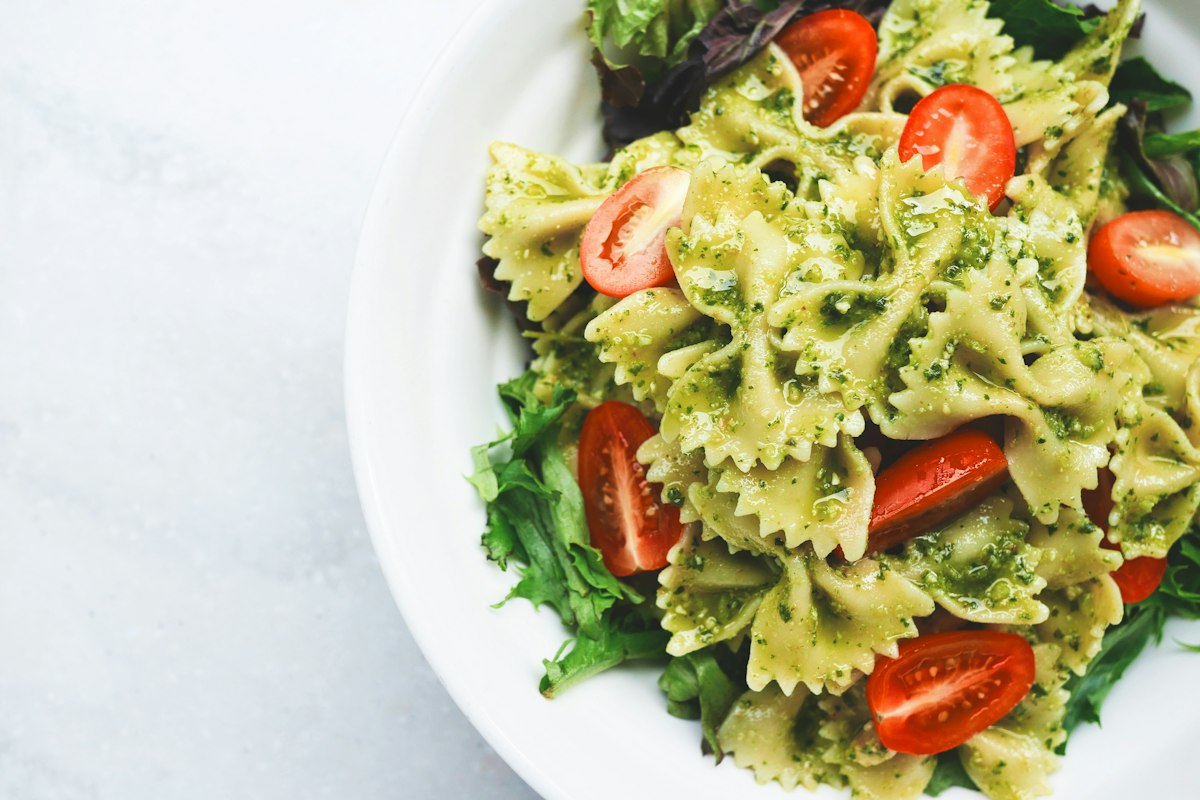
Authentic Italian sauces are lighter than many people expect. The pasta is tossed with the sauce in the pan, often with a splash of the starchy cooking water, so the sauce clings to each piece instead of pooling on the plate.
What to Look For
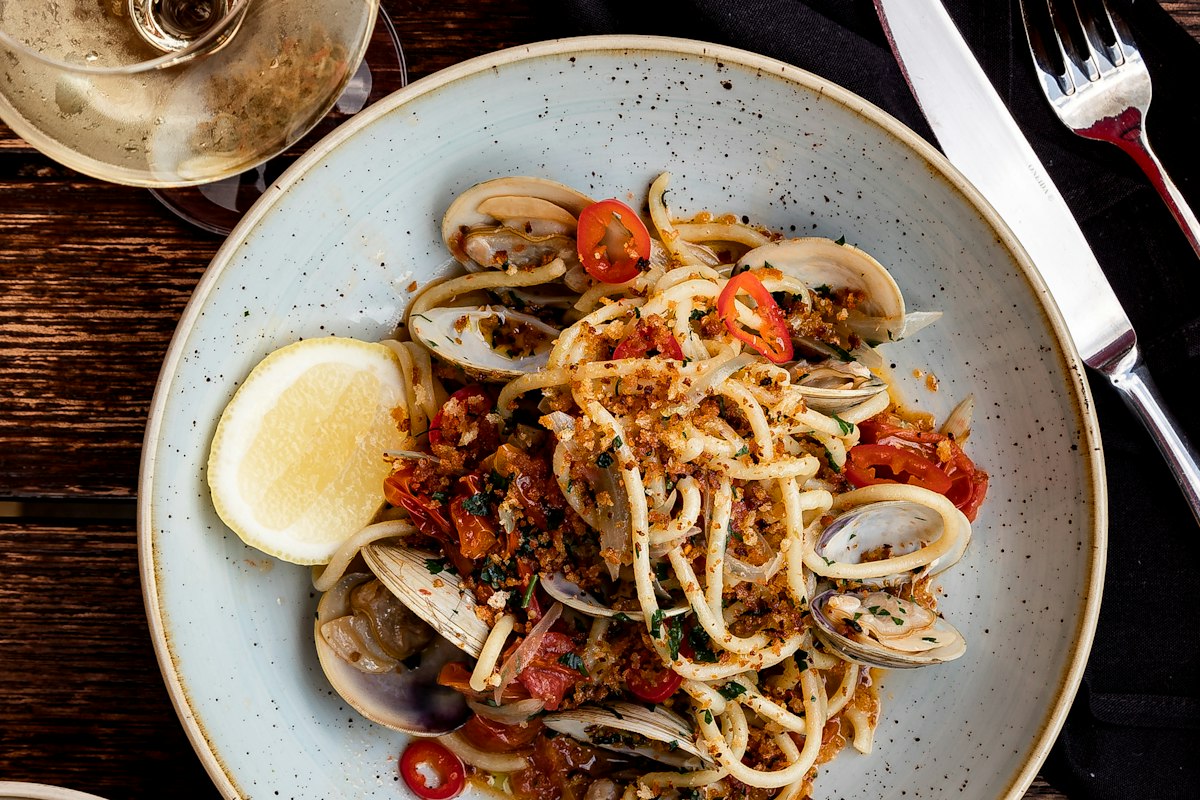
- Al dente — cooked with a little bite at the centre.
- Shape matched to sauce — ribbons for ragu, tubes for chunkier sauces.
- Simple ingredients — tomato, olive oil, garlic, basil, cheese.
- No cream in carbonara — the silkiness comes from egg and cheese.
Try It Yourself
See how we cook it in our guide to what to order, or book a table at Granby Street, Loseby Lane or Patchings and taste the difference.
Frequently Asked Questions
Authentic pasta uses simple ingredients, is cooked al dente and is finished in the sauce so it clings to the pasta.
Neither is better. Fresh egg pasta is tender and suits delicate sauces; dried durum pasta is firmer and suits heartier sauces.
No. Traditional carbonara uses egg, cheese, cured pork and black pepper, not cream.
No. All Merchant of Venice restaurants are closed on 25 December. Our Christmas menu runs from 1 December.
Good pasta is simple, but it is never an accident.